
low emissivity glass cost
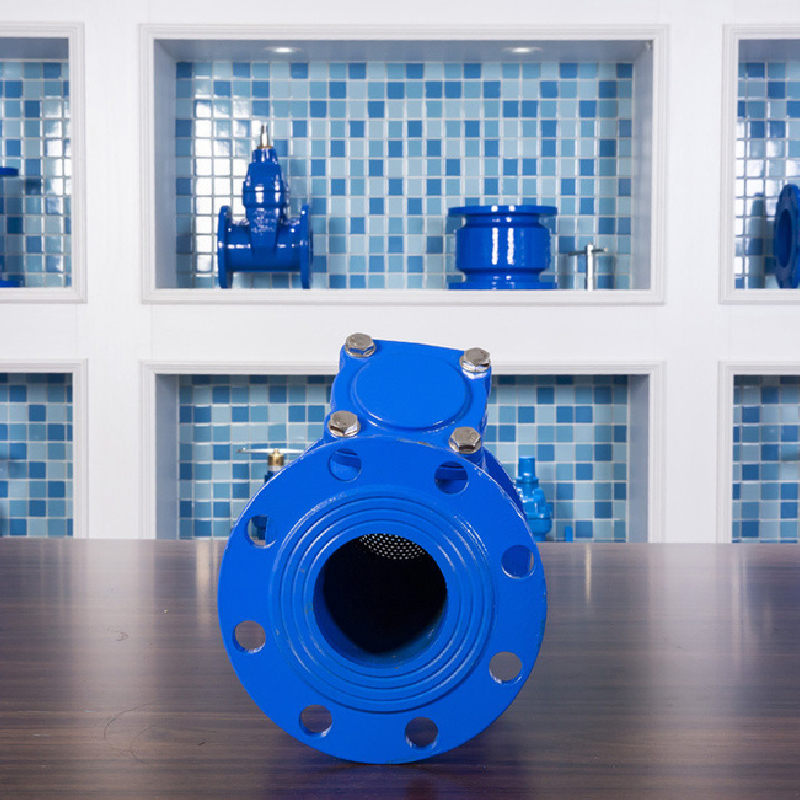
Understanding Filter DN50 The Essential Component for Fluid Management When it comes to the management of fluids in industrial, commercial, and even residential applications, filters play a crucial role. Among the various types of filters available, the DN50 filter stands out due to its size, efficiency, and versatility. The term DN50 refers to the nominal diameter of the pipe, which is 50 millimeters, making it a commonly used size in various piping systems. Understanding Filter DN50 The Essential Component for Fluid Management One of the primary advantages of using a DN50 filter is its ability to handle a reasonable flow rate while effectively trapping debris, particulates, and other unwanted substances. This facilitates a cleaner and more efficient operation, reducing the chances of clogs, wear, and potential failures in pumps, valves, and other critical components of the fluid system. Regular maintenance and monitoring of the filter are essential, as a clogged filter can significantly impair system performance. filter dn50 Moreover, DN50 filters are available in various designs and materials, including stainless steel, plastic, and more, catering to the specific needs of different applications. Some models are equipped with features such as self-cleaning mechanisms, which enhance their operational longevity and reduce the need for frequent manual intervention. The installation of a DN50 filter can greatly extend the life of a fluid system. By removing particulates and impurities, the filter prevents them from accumulating and causing damage to other system components. This not only improves operational efficiency but can also lead to cost savings over time by minimizing repairs and replacements. In summary, the DN50 filter is a vital component for any fluid management system. Its ability to maintain fluid quality while accommodating significant flow rates makes it indispensable across various industries. Whether in a water treatment facility removing sediments or in a manufacturing plant ensuring that hydraulic systems remain free from contamination, the DN50 filter serves a critical function in safeguarding equipment and enhancing overall system performance. As technology continues to evolve, we can anticipate even more advanced filtration solutions that will further improve efficiency and efficacy across various applications.
about
low emissivity glass cost
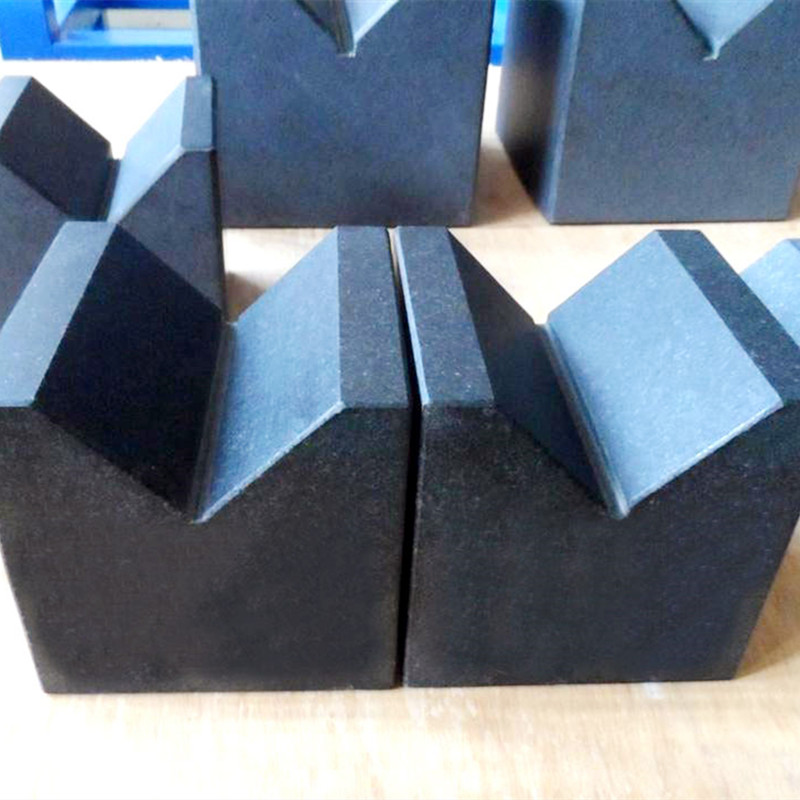
Understanding the Micrometer Standard Set A micrometer standard set is an essential tool in precision measurement, widely used across various industries including manufacturing, engineering, and scientific research. This set typically consists of a micrometer gauge and a series of standard blocks or gauge blocks, each with specific, known dimensions. The primary purpose of a micrometer standard set is to ensure accuracy and consistency in measurements taken by micrometers, which are instruments designed to measure small distances with high precision. The Importance of Precision Measurement In today's competitive industrial landscape, precision measurement has become increasingly crucial. Even minute discrepancies in measurements can lead to significant issues in product quality and performance. The micrometer, with its capability to measure to the nearest thousandth of a millimeter, or even finer depending on the model, has become a staple in achieving high levels of accuracy in various applications. Components of a Micrometer Standard Set A typical micrometer standard set includes different types of micrometers, such as outside micrometers, inside micrometers, and depth micrometers. Each type is designed for specific measurement tasks. For instance, outside micrometers are used to measure external dimensions of an object, while inside micrometers measure internal dimensions. In addition to the micrometers themselves, the standard set also comes equipped with various gauge blocks. These blocks are calibrated to exact measurements and serve as references for verifying the accuracy of the micrometers. The calibration process involves testing the micrometers against these known standards to ensure they provide accurate readings. Having a reliable set of standards is crucial for maintaining quality control in production processes. Calibration and Maintenance micrometer standard set Regular calibration of micrometer instruments using the standard set ensures that they remain in optimal working condition. Calibration involves checking the micrometer against the standard blocks and making necessary adjustments. This process can typically be performed manually or through automated systems, depending on the technology available. Proper maintenance of both the micrometer and the standard set is essential for longevity and accuracy. Users should keep the tools clean, store them in protective cases to avoid damage, and periodically check their performance. Environmental factors such as temperature and humidity can also affect measurements, so they should be conducted in controlled settings whenever possible. Applications Across Industries Micrometer standard sets find applications in various fields. In the automotive industry, for example, they are used to ensure that components such as gears, bearings, and shafts fit together correctly and operate efficiently. In aerospace manufacturing, precision measurements of critical components are vital to ensure safety and performance standards are met. In the field of science and research, micrometer measurements are invaluable for experiments that require high precision, such as in the fields of materials science and nanotechnology. The ability to measure small distances accurately allows researchers to investigate the properties of materials at microscopic levels, leading to advancements in technology and innovation. Conclusion In conclusion, a micrometer standard set is a vital instrument for achieving accuracy and reliability in precision measurement. It combines the use of micrometers with standardized gauge blocks to ensure that measurements are correct and consistent. As precision becomes increasingly important across various sectors, the role of micrometer standard sets in maintaining quality standards cannot be overstated. Investing in high-quality micrometer standard sets and ensuring regular calibration can significantly impact the efficiency and reliability of production processes and research outcomes.
-

High quality industrial productsagement

High quality industrial products
View Details -

Meet the diverse needs of customers

Meet the diverse needs of customers
View Details -

Strict quality control

Strict quality control
View Details -

Top raw materials

Top raw materials
View Details -

Trusted supplier

Trusted supplier
View Details
Our application

news and information
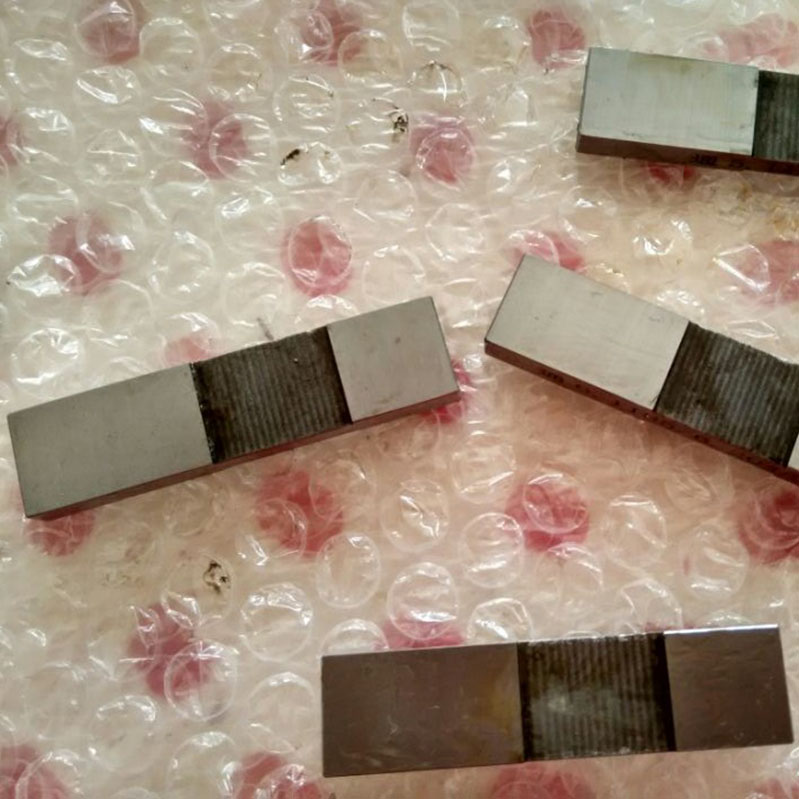
Wood Fence Post Cap
Wood Fence Post Caps Enhancing the Beauty and Functionality of Your Outdoor Space A wood fence post
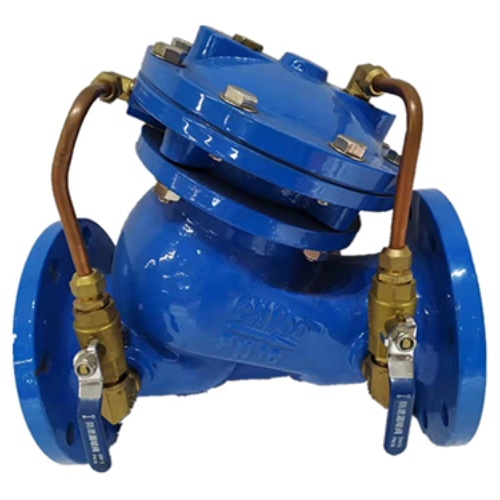
Versatile Workbench for Efficient Welding and Metalworking Projects
The Importance of Welding Tables in Metalworking Welding is a critical process in various industries

Versatile 3x6 Fabrication Table Designed for Welding Projects and Metalworking Applications
The Versatility and Importance of a 3x6 Welding Table Welding is a critical skill in various industr
 English